Can Dogs Eat Tomatoes? Benefits, Risks, Safe Amount & Tomato Toxicity Guide for Dogs
Can dogs eat tomatoes? Yes, dogs can generally eat ripe, red tomatoes in small amounts . However, not every part of the tomato plant is safe for dogs.…
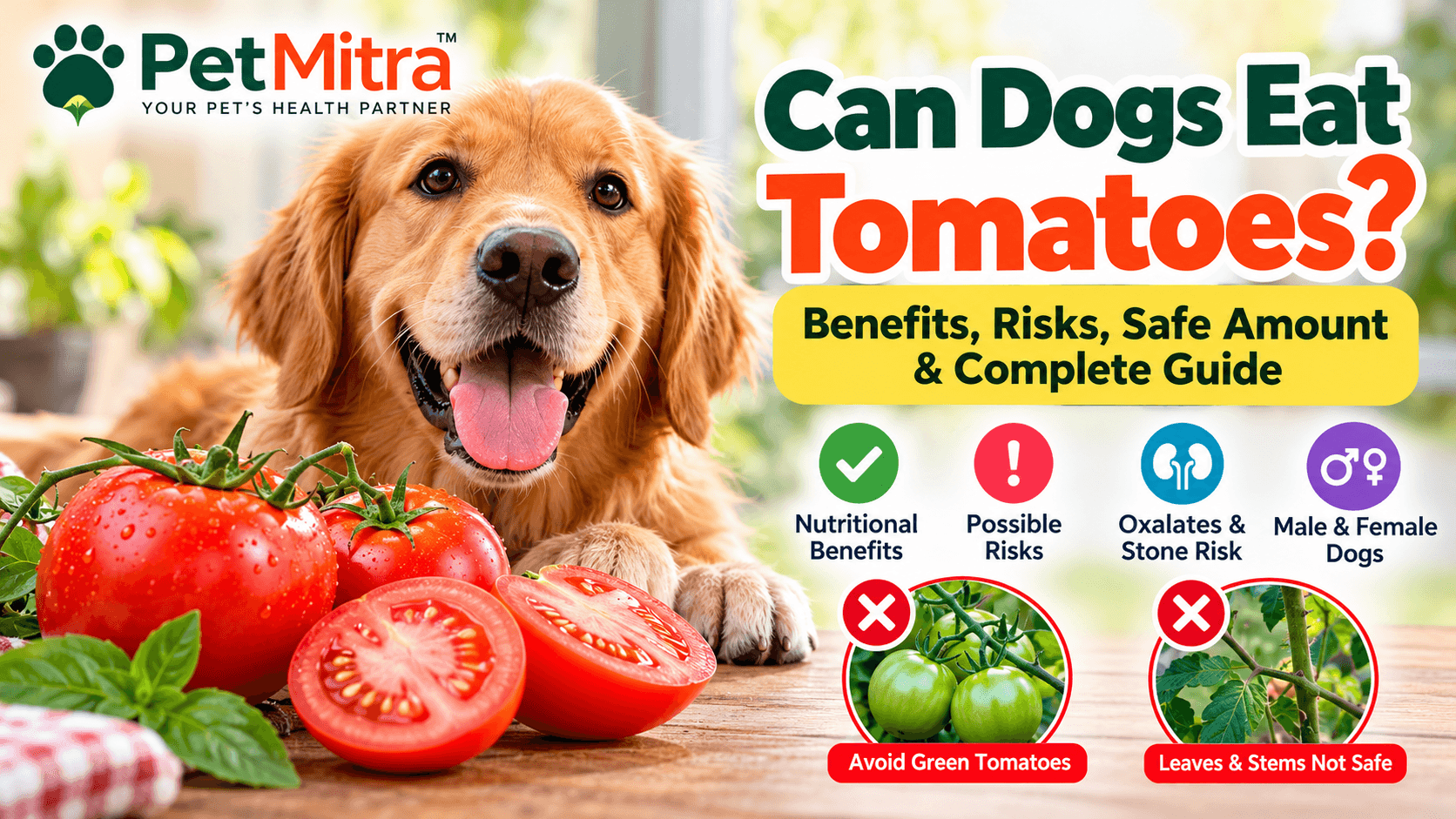
Can dogs eat tomatoes? Yes, dogs can generally eat ripe, red tomatoes in small amounts. However, not every part of the tomato plant is safe for dogs. Green, unripe tomatoes and the leaves and stems of the tomato plant contain compounds such as solanine and tomatine, which can cause problems if consumed in sufficient quantities.
Many pet parents wonder whether tomatoes are healthy for dogs, whether male and female dogs can eat them, how much tomato is safe, and what symptoms can occur if a dog eats too many tomatoes or parts of the tomato plant.
In this detailed PetMitra guide, we explain everything you need to know about dogs and tomatoes, including nutritional benefits, possible side effects, tomato poisoning, safe feeding methods, and when veterinary attention may be necessary.
Quick Answer: Can Dogs Eat Tomatoes?
Yes. Ripe, red tomatoes can generally be given to healthy dogs in small quantities.
Ripe tomatoes are relatively low in calories and contain nutrients and antioxidants such as:
Vitamin C
Vitamin A
Vitamin K
Folate
Potassium
Fiber
Lycopene
Water
However, tomatoes should be considered an occasional treat, not a replacement for a complete and balanced dog diet.
The important distinction is:
Generally safer
Ripe, red tomato flesh in a small quantity.
Avoid
Green/unripe tomatoes, tomato leaves, stems and large amounts of the tomato plant.
The risk of toxicity depends on the amount consumed, the part of the plant eaten, the dog's size, and the dog's individual health.
Can Male Dogs Eat Tomatoes?
Yes.
Male dogs can eat ripe red tomatoes in moderation, provided they do not have a medical condition or dietary restriction that makes tomatoes unsuitable.
There is no general nutritional rule that makes tomatoes unsafe specifically for male dogs.
A healthy male Labrador, for example, can have a small amount of ripe tomato as an occasional treat.
The same basic precautions apply:
Use ripe red tomatoes.
Remove the stem and leaves.
Avoid green tomatoes.
Wash the tomato before feeding.
Cut it into small pieces.
Introduce it gradually.
Do not give large quantities.
Do tomatoes provide special benefits to male dogs?
There is no established evidence that ordinary tomato consumption provides a specific reproductive or male-specific health benefit in dogs.
Tomatoes contain antioxidants and nutrients that can contribute to overall nutrition, but they should not be considered a treatment for infertility, prostate disease, sexual problems, or other reproductive conditions.
Can Female Dogs Eat Tomatoes?
Yes.
Healthy female dogs can also eat small quantities of ripe red tomatoes.
The basic safety rules are the same as for male dogs.
Female dogs do not require a completely different tomato-feeding guideline simply because they are female.
However, if a female dog is:
Pregnant
Lactating
Undergoing treatment
Suffering from gastrointestinal disease
Diagnosed with kidney disease
On a restricted diet
Taking medication that affects potassium or electrolyte balance
it is better to discuss additional treats with a veterinarian.
Can pregnant dogs eat tomatoes?
A small amount of ripe tomato is not generally considered inherently toxic to pregnant dogs, but pregnancy is not the ideal time to introduce unfamiliar foods.
During pregnancy, the priority should be a complete, balanced and nutritionally appropriate diet recommended for the dog's life stage.
If you want to add tomatoes during pregnancy, discuss the amount with your veterinarian, particularly if the dog has any underlying health problem.
What Is the Difference Between Ripe and Green Tomatoes?
This is one of the most important points for dog owners.
A tomato changes chemically as it ripens.
Ripe red tomato
The ripe fruit contains much lower levels of the potentially problematic glycoalkaloids and is generally considered safe for dogs when offered in moderation.
Green or unripe tomato
Green tomatoes contain higher concentrations of compounds including tomatine. In large enough quantities, these compounds can cause gastrointestinal and neurological or cardiovascular signs.
This does not mean that eating one tiny piece of a green tomato automatically causes severe poisoning. The actual risk depends on:
Amount consumed
Dog's body weight
Degree of ripeness
Individual sensitivity
Other health conditions
Nevertheless, there is no reason to deliberately feed green tomatoes to dogs.
The safest choice is ripe, red tomato flesh.
Can Dogs Eat Tomato Leaves and Stems?
No. Dogs should not be intentionally fed tomato leaves or stems.
The green parts of the tomato plant can contain higher concentrations of glycoalkaloids, including tomatine.
This is particularly important for dogs that have access to:
Home vegetable gardens
Tomato plants in pots
Greenhouses
Compost piles
Fallen tomato plant material
If your dog likes to chew plants, keep tomato plants inaccessible.
What Is in a Tomato?
Tomatoes contain a high percentage of water and relatively few calories.
They also provide several micronutrients and plant compounds.
Important nutrients and compounds in ripe tomatoes
1. Lycopene
Lycopene is a carotenoid pigment responsible for much of the red color of ripe tomatoes.
It has antioxidant properties and is being studied for its potential role in protecting cells against oxidative stress.
However, tomato should not be presented as a treatment for cancer or any specific disease in dogs.
2. Vitamin C
Tomatoes contain vitamin C, which functions as an antioxidant and contributes to normal physiological processes.
Healthy dogs can generally synthesize vitamin C internally, so tomatoes should not be considered necessary to prevent vitamin C deficiency.
3. Vitamin A-related carotenoids
Tomatoes contain carotenoids that contribute to vitamin A-related nutritional pathways.
Vitamin A is important for normal:
Vision
Immune function
Skin
Cell growth
4. Vitamin K
Vitamin K plays an important role in normal blood clotting and bone metabolism.
5. Folate
Folate contributes to normal cell division and tissue growth.
6. Potassium
Potassium is an essential electrolyte involved in:
Muscle function
Nerve signaling
Cellular function
Fluid balance
However, dogs with certain kidney, adrenal, urinary or electrolyte disorders may require dietary potassium management.
7. Fiber
Tomatoes contain dietary fiber, which can contribute to normal gastrointestinal function when consumed in appropriate amounts.
Too much tomato, however, can cause digestive upset rather than improve digestion.
Possible Benefits of Tomatoes for Dogs
When given in small quantities, ripe tomatoes may provide some nutritional benefits.
1. Antioxidants
Tomatoes contain compounds such as lycopene and vitamin C that have antioxidant activity.
Antioxidants help protect cells from oxidative damage.
However, a dog's primary source of nutrition should still come from a properly formulated complete diet.
2. Low-Calorie Treat Option
Plain ripe tomato is relatively low in calories.
For some dogs, small pieces may be used as an occasional treat instead of calorie-dense snacks.
This can be useful when owners are carefully managing total calorie intake.
3. Provides Some Fiber
The fiber in tomatoes can contribute to normal intestinal function.
But tomato should not be used as a treatment for chronic constipation or diarrhea.
If a dog has persistent digestive problems, the underlying cause should be investigated.
4. Provides Micronutrients
Tomatoes contain several vitamins and minerals that contribute to overall nutrition.
Nevertheless, these nutrients are already available in appropriate quantities in a properly balanced commercial or home-formulated canine diet.
5. High Water Content
Tomatoes contain a significant amount of water.
Small pieces may therefore provide some additional moisture, although fresh drinking water should always remain available.
Can Tomatoes Cause Problems in Dogs?
Yes.
Although ripe tomatoes can be safe in moderation, too much tomato can cause digestive problems.
Possible problems include:
Vomiting
Diarrhea
Abdominal discomfort
Gas
Reduced appetite
Drooling
Gastrointestinal irritation
Some dogs may also simply have individual food intolerance.
Tomato Toxicity in Dogs
Tomato toxicity is more concerning when a dog consumes significant quantities of:
Green tomatoes
Tomato leaves
Tomato stems
Large amounts of the plant
The compounds of concern include tomatine and related glycoalkaloids.
Possible signs can include:
Vomiting
Diarrhea
Excessive drooling
Loss of appetite
Weakness
Lethargy
Abdominal discomfort
Dilated pupils in some cases
Changes in heart rate
Neurological abnormalities
Confusion
Tremors or seizures in severe poisoning
Severe clinical signs are not expected from a small amount of ripe red tomato in most healthy dogs.
What Happens If a Dog Eats Green Tomato?
Do not panic immediately.
The severity depends on how much was eaten and which part of the plant was consumed.
If your dog ate a tiny piece:
Monitor the dog for gastrointestinal or unusual neurological signs.
If your dog ate a large quantity:
Contact your veterinarian for individual assessment.
If your dog ate leaves or stems:
Contact a veterinarian, particularly if the quantity is unknown or the dog is showing any clinical signs.
Do not induce vomiting at home unless specifically instructed by a veterinarian or veterinary poison-control professional.
Symptoms to Watch After Tomato Consumption
After a dog eats a large quantity of tomato or green tomato plant material, watch for:
Gastrointestinal signs
Vomiting
Diarrhea
Excessive drooling
Abdominal pain
Loss of appetite
General signs
Weakness
Lethargy
Unusual behavior
Neurological or cardiovascular signs
In significant poisoning, more serious abnormalities may occur.
These may include:
Tremors
Incoordination
Altered mentation
Abnormal heart rate
Severe weakness
Seizures
If severe or rapidly worsening symptoms occur, seek emergency veterinary care.
How Much Tomato Can a Dog Eat?
There is no single universal tomato dose that is appropriate for every dog.
The amount depends on:
Body weight
Age
Overall health
Existing gastrointestinal sensitivity
Total daily calorie intake
Other treats
Individual tolerance
A sensible approach is to start with a few small bite-sized pieces of ripe tomato.
If the dog tolerates it without vomiting, diarrhea or other problems, tomato can occasionally be offered as a treat.
General practical approach
Small dogs: Start with a very small piece.
Medium dogs: A few small pieces may be appropriate.
Large dogs: A somewhat larger portion may be tolerated, but there is still no reason to provide a large bowl of tomato.
The total amount of treats and extras should generally remain a small part of the dog's daily calorie intake.
When introducing any new food, start small rather than giving a large portion immediately.
How to Safely Feed Tomatoes to Dogs
Follow these steps:
Step 1: Choose a ripe tomato
Select a mature, red tomato.
Step 2: Wash it
Wash the tomato thoroughly to remove dirt and reduce surface contamination.
Step 3: Remove the stem and leaves
Do not feed the green plant parts.
Step 4: Cut it into small pieces
Small pieces are easier to manage and can reduce the risk of choking.
Step 5: Start with a small quantity
Do not introduce a large amount of a new food at once.
Step 6: Observe your dog
Watch for vomiting, diarrhea, excessive gas, itching or other unusual reactions.
Can Dogs Eat Raw Tomatoes?
Yes.
Plain, ripe, raw tomato can be offered in small pieces.
It is generally preferable to give:
Plain + ripe + washed + stem-free tomato.
Avoid adding:
Salt
Spices
Chili
Onion
Garlic
Butter
Excess oil
Sauces
Can Dogs Eat Cooked Tomatoes?
Plain cooked tomato may be acceptable depending on how it has been prepared.
The major problem is usually not the cooking itself but what is added to the tomato.
Many cooked tomato dishes contain ingredients that are unsafe or inappropriate for dogs.
For example, tomato sauce may contain:
Onion
Garlic
Excess salt
Spices
Sugar
High levels of fat
Artificial flavoring
Therefore, a dog should not be given ordinary human tomato curry, pasta sauce or heavily seasoned tomato dishes.
Can Dogs Eat Tomato Sauce?
Generally, avoid commercial tomato sauce unless you have verified every ingredient and it is specifically appropriate for the dog.
Many tomato sauces contain onion and garlic, which can be harmful to dogs.
Other sauces can contain excessive salt, sugar, fat and spices.
A plain ripe tomato is a much safer choice than processed tomato sauce.
Can Dogs Eat Ketchup?
It is best to avoid giving ketchup to dogs.
Ketchup is a highly processed condiment and may contain:
High sodium
Sugar
Vinegar
Spices
Onion or onion powder
Garlic or garlic powder
Other additives
Even if the tomato component itself is not the problem, the complete product may be unsuitable for dogs.
Can Dogs Eat Tomato Soup?
Human tomato soup is generally not recommended for dogs.
Commercial or homemade soup may contain:
Onion
Garlic
Salt
Cream
Butter
Spices
High fat
Other ingredients unsuitable for dogs
If a veterinarian has specifically recommended a homemade diet or recipe, follow that veterinary nutritional plan rather than modifying human food.
Can Puppies Eat Tomatoes?
Puppies have different nutritional requirements from adult dogs.
A growing puppy needs a complete and balanced growth diet formulated for its species and life stage.
Tomatoes are not necessary for puppy development.
If a puppy is given tomato, use only a tiny amount of ripe tomato and introduce it cautiously.
Very young puppies with sensitive gastrointestinal systems may develop diarrhea more easily after unfamiliar foods.
For puppies with repeated diarrhea, vomiting or poor growth, do not rely on home remedies. Veterinary evaluation is appropriate.
Can Senior Dogs Eat Tomatoes?
A healthy senior dog may be able to eat small amounts of ripe tomato.
However, senior dogs are more likely to have chronic conditions or dietary restrictions.
Before regularly adding tomatoes, consider whether the dog has:
Chronic kidney disease
Diabetes
Gastrointestinal disease
Heart disease
Urinary disease
Electrolyte abnormalities
Obesity
A prescription diet
For dogs receiving therapeutic diets, additional foods should be discussed with the treating veterinarian.
Can Dogs With Kidney Disease Eat Tomatoes?
This requires more individual consideration.
Tomatoes contain potassium, and some dogs with kidney or endocrine disorders may require careful electrolyte management.
It would therefore be inappropriate to say that tomatoes are universally safe for every dog with kidney disease.
If your dog has:
Kidney disease
Elevated creatinine
Elevated SDMA
Abnormal potassium
Other electrolyte abnormalities
A prescribed renal diet
consult the veterinarian managing the case before adding tomatoes regularly.
Can Dogs With Diabetes Eat Tomatoes?
Plain ripe tomato is relatively low in calories and carbohydrates compared with many processed treats, but diabetic dogs require individualized nutritional management.
The important issue is the entire daily diet and calorie intake, not simply whether tomato itself contains sugar.
Do not use tomato treats as a substitute for a veterinary diabetic diet.
Can Dogs Be Allergic to Tomatoes?
Food allergies are possible in dogs, although tomatoes are not among the most common food allergens.
Possible signs of a food-related allergic reaction can include:
Itching
Red skin
Recurrent ear problems
Paw licking
Gastrointestinal signs
Vomiting
Diarrhea
A true food allergy should be investigated systematically, usually with veterinary guidance and an appropriate elimination diet rather than repeatedly adding or removing random foods.
Can Tomatoes Cause Diarrhea in Dogs?
Yes.
A large amount of tomato can cause gastrointestinal upset because of:
Sudden dietary change
Excess fiber
Acidity
Individual intolerance
Large quantity
Consumption of inappropriate plant material
If diarrhea is severe, persistent, bloody, associated with vomiting, dehydration or weakness, veterinary evaluation is recommended.
Tomatoes and Acid Reflux in Dogs
Tomatoes are acidic, and some individual dogs may experience gastrointestinal irritation after consuming them.
However, tomatoes should not automatically be blamed for chronic vomiting or reflux.
Repeated vomiting, regurgitation or appetite changes require investigation for conditions such as:
Gastritis
Dietary intolerance
Foreign body
Pancreatitis
Gastrointestinal disease
Esophageal disease
Metabolic disease
Are Tomatoes Good for a Dog's Skin and Coat?
Tomatoes contain antioxidants and nutrients that contribute to overall nutrition.
However, there is insufficient evidence to claim that feeding tomatoes directly treats:
Hair loss
Skin infection
Allergic dermatitis
Mange
Flea allergy
Chronic itching
Skin and coat health depends on the dog's overall diet, genetics, parasite control, grooming, underlying diseases and other factors.
If a dog has persistent itching or hair loss, veterinary examination is more appropriate than relying on tomatoes as a remedy.
Can Tomatoes Help a Dog's Immunity?
Tomatoes contain antioxidants and nutrients that support normal physiological functions.
However, saying that tomatoes "boost immunity" or prevent infections would be an oversimplification.
A dog's immune health depends on multiple factors, including:
Balanced nutrition
Vaccination
Parasite prevention
Adequate sleep and recovery
Disease control
Genetic factors
Overall health
Tomatoes can be an occasional food, but they are not a replacement for veterinary preventive care.
Can Dogs Eat Tomato Every Day?
There is generally no nutritional need to feed tomatoes every day.
Even when a dog tolerates tomatoes well, it is better to keep treats and additional foods limited.
A complete and balanced canine diet should remain the foundation of nutrition.
If you are using vegetables as treats, variety and moderation are preferable to feeding a large quantity of one food repeatedly.
What Should You Do If Your Dog Eats a Tomato Plant?
First, determine:
What part of the plant was eaten?
Was it ripe or green?
Approximately how much was consumed?
What is the dog's body weight?
When did the exposure happen?
Is the dog showing any symptoms?
If the dog ate a significant amount of green tomato, leaves or stems, contact your veterinarian.
If the dog is showing severe symptoms such as collapse, seizures, severe weakness, breathing difficulty or marked abnormal behavior, seek emergency veterinary care immediately.
Tomato Safety Checklist for Dog Owners
Before giving tomato to your dog, remember:
Safe-choice checklist
✓ Choose ripe red tomatoes
✓ Wash the tomato
✓ Remove stems and leaves
✓ Cut into small pieces
✓ Start with a small quantity
✓ Use as an occasional treat
✓ Monitor your dog's response
Avoid
✗ Green/unripe tomatoes
✗ Tomato leaves
✗ Tomato stems
✗ Large quantities
✗ Ketchup
✗ Heavily seasoned tomato sauce
✗ Tomato dishes containing onion or garlic
✗ High-salt tomato products
✗ Spicy tomato preparations
Male vs Female Dogs: Is There Any Difference?
For ordinary tomato feeding, there is no major difference between male and female dogs.
FactorMale DogFemale DogRipe red tomatoGenerally safe in moderationGenerally safe in moderationGreen tomatoAvoidAvoidLeaves/stemsAvoidAvoidTomato sauceUsually avoidUsually avoidKetchupAvoidAvoidExcess tomatoMay cause GI upsetMay cause GI upsetPregnancy considerationNot applicableRequires additional considerationKidney/electrolyte diseaseVeterinary adviceVeterinary advice
The dog's size, health status, diet and amount consumed are much more important than sex.
Frequently Asked Questions
1. Can dogs eat tomatoes?
Yes. Healthy dogs can generally eat small amounts of ripe, red tomato.
2. Are tomatoes poisonous to dogs?
Ripe red tomato flesh is generally not considered highly toxic when consumed in small amounts. The green parts of the tomato plant contain higher levels of potentially toxic compounds and should be avoided.
3. Can dogs eat green tomatoes?
It is best not to feed green or unripe tomatoes to dogs.
4. Can dogs eat tomato leaves?
No. Tomato leaves should not be fed to dogs.
5. Can dogs eat tomato stems?
No. Remove stems before giving tomato to a dog.
6. Can male dogs eat tomatoes?
Yes, healthy male dogs can generally eat small amounts of ripe tomato.
7. Can female dogs eat tomatoes?
Yes, healthy female dogs can generally eat small amounts of ripe tomato.
8. Can pregnant dogs eat tomatoes?
Small amounts of ripe tomato are not generally considered inherently toxic, but pregnant dogs should have their diet managed carefully. Ask your veterinarian before routinely introducing new foods.
9. Can puppies eat tomatoes?
A small amount may be tolerated, but puppies need a complete growth diet and do not require tomatoes.
10. Can dogs eat ketchup?
It is best to avoid ketchup because it may contain excessive salt, sugar, spices, onion, garlic or other unsuitable ingredients.
11. Can dogs eat tomato sauce?
Plain tomato without harmful ingredients may be acceptable, but most commercial sauces are not ideal for dogs because of added ingredients.
12. What happens if a dog eats too much tomato?
The dog may develop vomiting, diarrhea, abdominal discomfort, gas or reduced appetite. Large quantities of green plant material can present a greater toxicity concern.
13. What happens if a dog eats tomato leaves?
Contact your veterinarian if a significant amount was consumed, particularly if the amount is unknown or symptoms develop.
14. Is tomato good for dogs?
Ripe tomato can provide antioxidants, vitamins, minerals, fiber and water, but it is an optional treat rather than a necessary part of a dog's diet.
15. How much tomato can a dog eat?
There is no single amount appropriate for every dog. Start with a few small pieces of ripe tomato and adjust based on the dog's size, health and tolerance.
Final Verdict: Can Dogs Eat Tomatoes?
Yes — most healthy dogs can eat small amounts of ripe, red tomato.
The key is to understand that the tomato fruit and the tomato plant are not the same thing from a safety perspective.
Ripe red tomato flesh can provide:
Lycopene
Vitamin C
Vitamin A-related carotenoids
Vitamin K
Folate
Potassium
Fiber
Water
But dogs should not be given:
Green/unripe tomatoes
Tomato leaves
Tomato stems
Large quantities of tomato
Ketchup
Heavily seasoned tomato sauce
Tomato preparations containing onion or garlic
There is also no significant difference between male and female dogs when it comes to the basic safety of ripe tomato.
For most dogs, the best approach is simple:
Ripe + red + washed + stem-free + small quantity + occasional treat.
If your dog has kidney disease, gastrointestinal disease, diabetes, electrolyte abnormalities, is pregnant, is on a prescription diet, or develops symptoms after eating tomatoes, consult your veterinarian before continuing to feed them.
PetMitra Veterinary Advice
At PetMitra, we believe that pet nutrition should be based on the individual animal rather than one-size-fits-all advice.
A food that is safe for one dog may not be appropriate for another because of differences in:
Age
Breed
Body weight
Medical history
Allergies
Kidney and liver function
Gastrointestinal health
Current medication
Prescription diets
Pregnancy or lactation
If your dog has consumed a large amount of green tomato, tomato leaves or stems, or is showing vomiting, diarrhea, weakness, tremors, abnormal behavior or other concerning symptoms, contact a qualified veterinarian promptly.
Medical Disclaimer
Disclaimer: This article is provided for general educational and informational purposes only and should not be considered a substitute for veterinary examination, diagnosis or treatment. Every dog is an individual, and dietary recommendations may vary according to age, breed, body weight, medical history, allergies, laboratory results, medications and nutritional requirements. PetMitra does not recommend using this article to diagnose, treat or prevent any disease or poisoning. If your dog has consumed a potentially toxic quantity of tomato plant material or develops concerning symptoms, seek professional veterinary advice promptly. In an emergency, contact a veterinary clinic or emergency veterinary service immediately.
PetMitra – Your Pet's Health Partner
Veterinary Consultation • Pet Vaccination • Pet Surgery • Diagnostics • Grooming • Emergency & Critical Care